Technology

Built for energy infrastructure.
Not adapted from IoT.

MIOTY, Zigbee Mesh, a 24h autonomous forecast loop and confirmed dispatch — purpose-built for the demands of flexibility management behind the meter.


NODE ZERO — purpose-built hardware

Developed in partnership with RDDL Foundation — designed from the ground up for energy infrastructure, not adapted from general IoT.
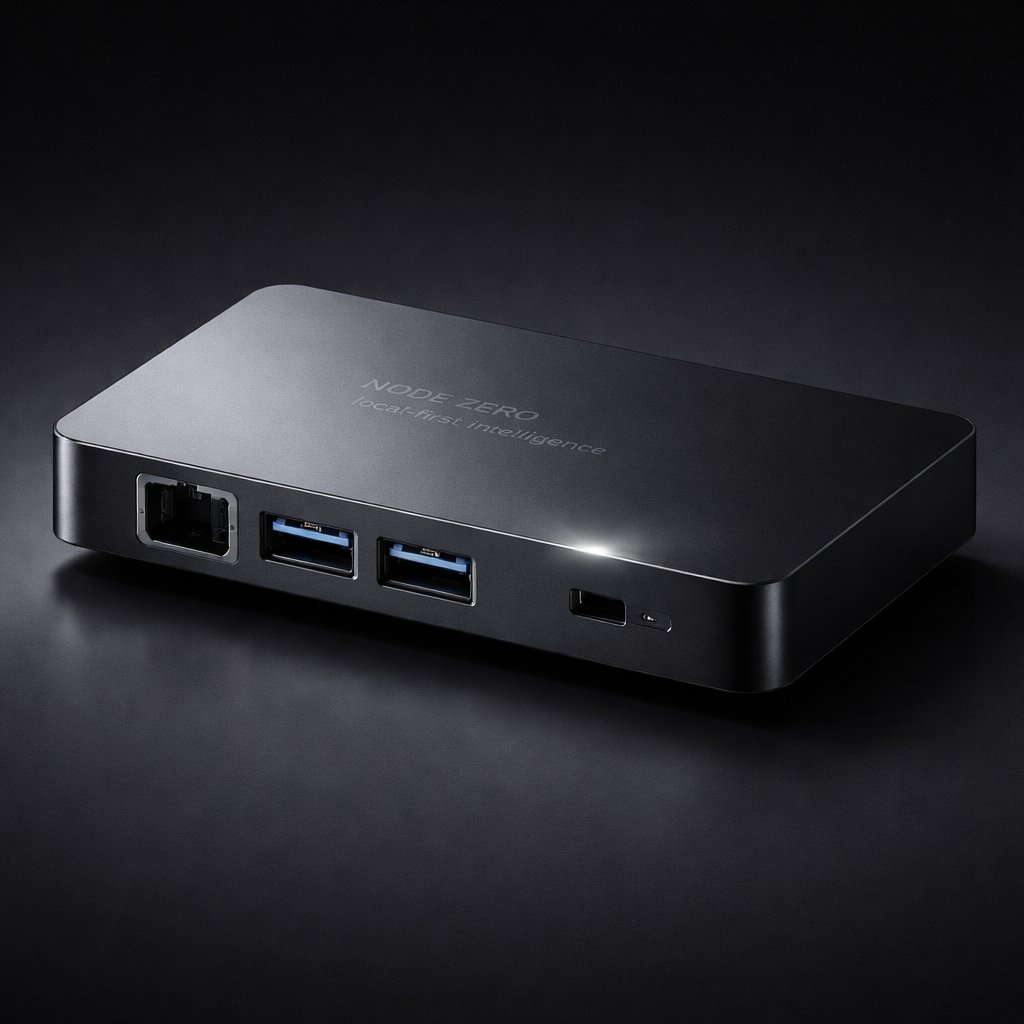
NODE ZERO local-first intelligence — edge hub
NODE ZERO Meter Bridge — local-first intelligence
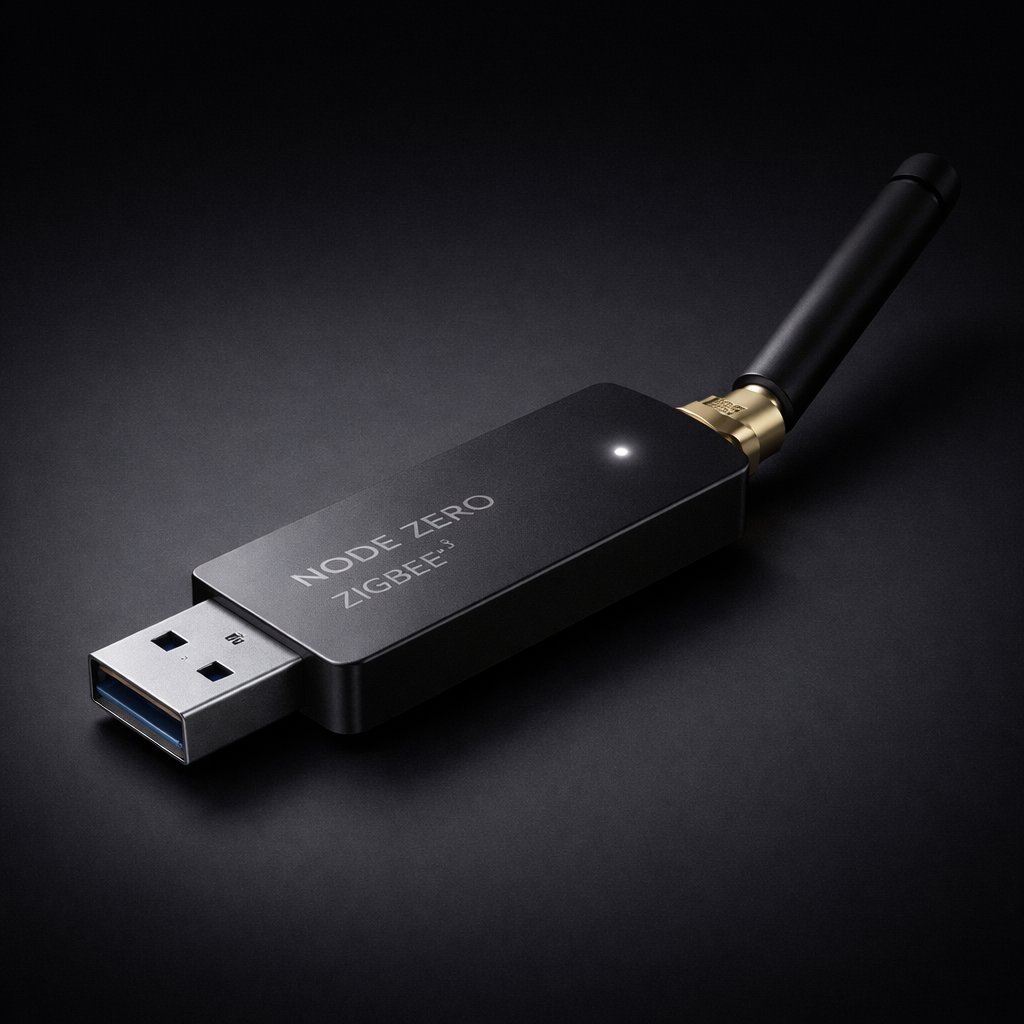
NODE ZERO ZIGBEE³ — USB Zigbee coordinator
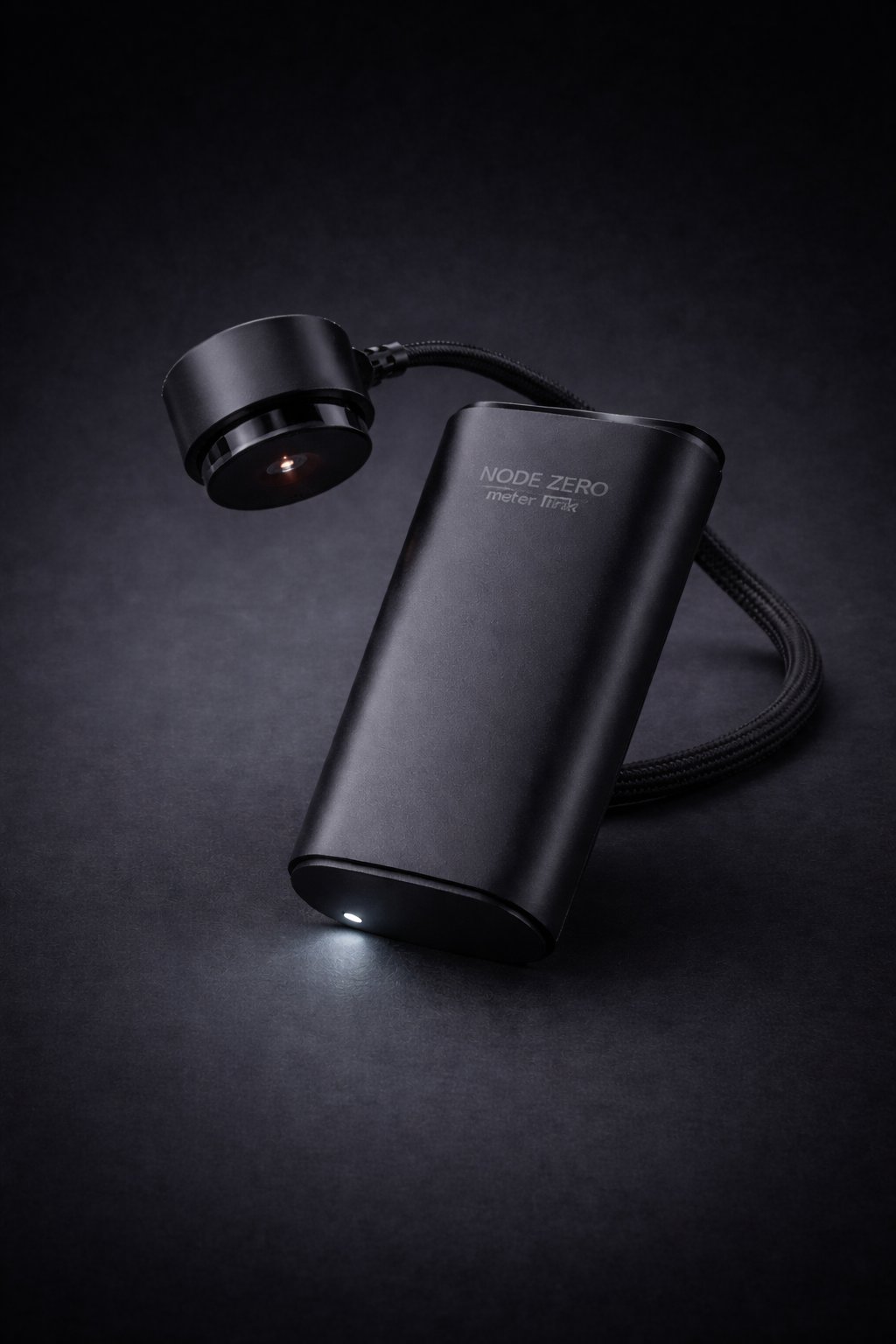
NODE ZERO relay — Zigbee relay module
NODE ZERO Meter Link — Zigbee relay module for MBus & optical interfaces
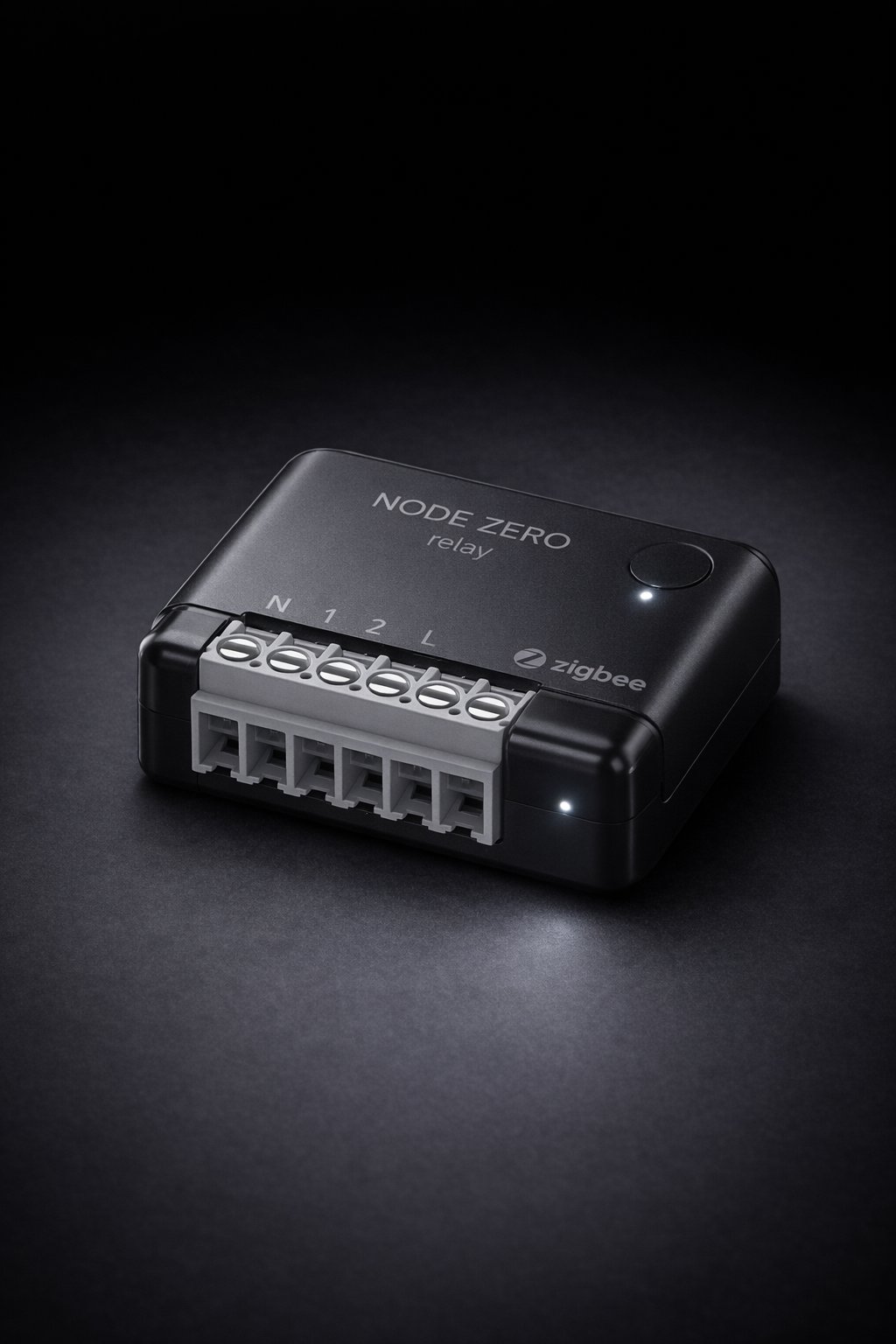
NODE ZERO meter link — 3-phase optical meter reader
NODE ZERO Meter Link — 3-phase optical meter reader

Connectivity by topology

The technology choice follows the asset topology — not the other way around.

Contiguous sites

Zigbee Mesh

Buildings, campuses, industrial premises, microgrids on one site

  • RangeUp to 100m per node, mesh extends coverage
  • DeploymentNo gateway per room — mesh self-organises
  • CostLow hardware cost per node
  • TopologySelf-healing mesh — resilient to node failure
  • Use caseHEMS, C&I facilities, ESC on one campus
Distributed assets

MIOTY

Geographically dispersed assets — rural PV, MV BESS, multiple remote sites

  • Range10 km per gateway
  • Capacity1.5M messages/day per gateway
  • StandardIEC 62657-1 — purpose-built for energy
  • IndependenceNo LTE, no WiFi required
  • Latency<1 second for dispatch commands

MIOTY vs. LoRaWAN

Capability MIOTY LoRaWAN
StandardIEC 62657-1 (international)LoRa Alliance proprietary
RangeUp to 10 kmUp to 5 km
Messages/day/gateway1,500,000~50,000
Designed forEnergy infrastructure, utility gradeGeneral IoT sensing
Dispatch latency<1 secondSeconds to minutes
LTE independence

The autonomous loop

KERN operates continuously — forecasting, reacting and dispatching without manual intervention.

1. FORECAST  (rolling, 24h ahead)
   Per asset: state of charge, PV forecast (weather-based),
   load forecast (historical patterns), available flexibility window.
   Per portfolio: aggregated flexibility profile (MW, time, confidence).
   → Delivered to aggregator / platform as API feed.

2. DEMAND  (inbound signal)
   Flexibility signal received from aggregator, utility or market:
   volume (kW), time window, direction (increase/decrease).

3. REBALANCE  (real-time delta)
   KERN compares demand signal against current actual asset state.
   Detects deviations: weather change, load shift, asset failure.
   Adjusts dispatch plan autonomously — before deviation becomes critical.

4. DISPATCH  (autonomous asset control)
   KERN selects assets, determines control sequence, sends commands.
   Execution via Zigbee Mesh (contiguous) or MIOTY (distributed).
   Asset protocols: Modbus, SunSpec, EEBUS, proprietary inverter APIs.

5. CONFIRMATION
   Asset-level execution confirmed back to KERN.
   Fulfillment status reported to aggregator / platform in real-time.
   Next forecast cycle starts immediately.

How KERN makes decisions

Each optimization cycle draws on live telemetry, market signals and learned patterns — not manual configuration.

Price-signal driven dispatch

KERN tracks day-ahead and intraday prices, FCR/aFRR signal values and grid tariff structures in real time. Every asset dispatch decision is evaluated against the active market environment — not a fixed schedule.

Rolling forecast engine

Consumption and generation forecast 24h ahead per asset — combining live state of charge, weather-based PV models and historical load patterns. Continuously refined as the delivery window approaches.

Continuous rebalancing

KERN compares actual asset state against committed dispatch position every few minutes. Detected deviations trigger automatic asset reselection and re-dispatch — before the delivery window closes and penalties apply.


Supported assets and protocols

KERN normalises all asset types to a single data model — regardless of manufacturer or protocol.

Asset types

PV (residential)
PV (commercial)
Home storage
Commercial BESS
Heat pumps
EV chargers
CHP
Biogas
Controllable loads
MV-connected assets

Communication protocols

Modbus TCP/RTU
SunSpec
EEBUS
REST API
OCPP (EV)
Proprietary inverter APIs

Security & compliance

End-to-end encryption

All asset communication encrypted end-to-end — from sensor to platform.

Certificate-based authentication

Every asset authenticated by certificate — no unauthorised control possible.

Redispatch 2.0

Compliant with Redispatch 2.0 requirements for distributed generation control.

§14a / EAG / EnFG

Compatible with controllable load regulations in Germany and Austria.

Book a Technical Demo